The Effects of Water Damage on a Home
1. Structural Damage
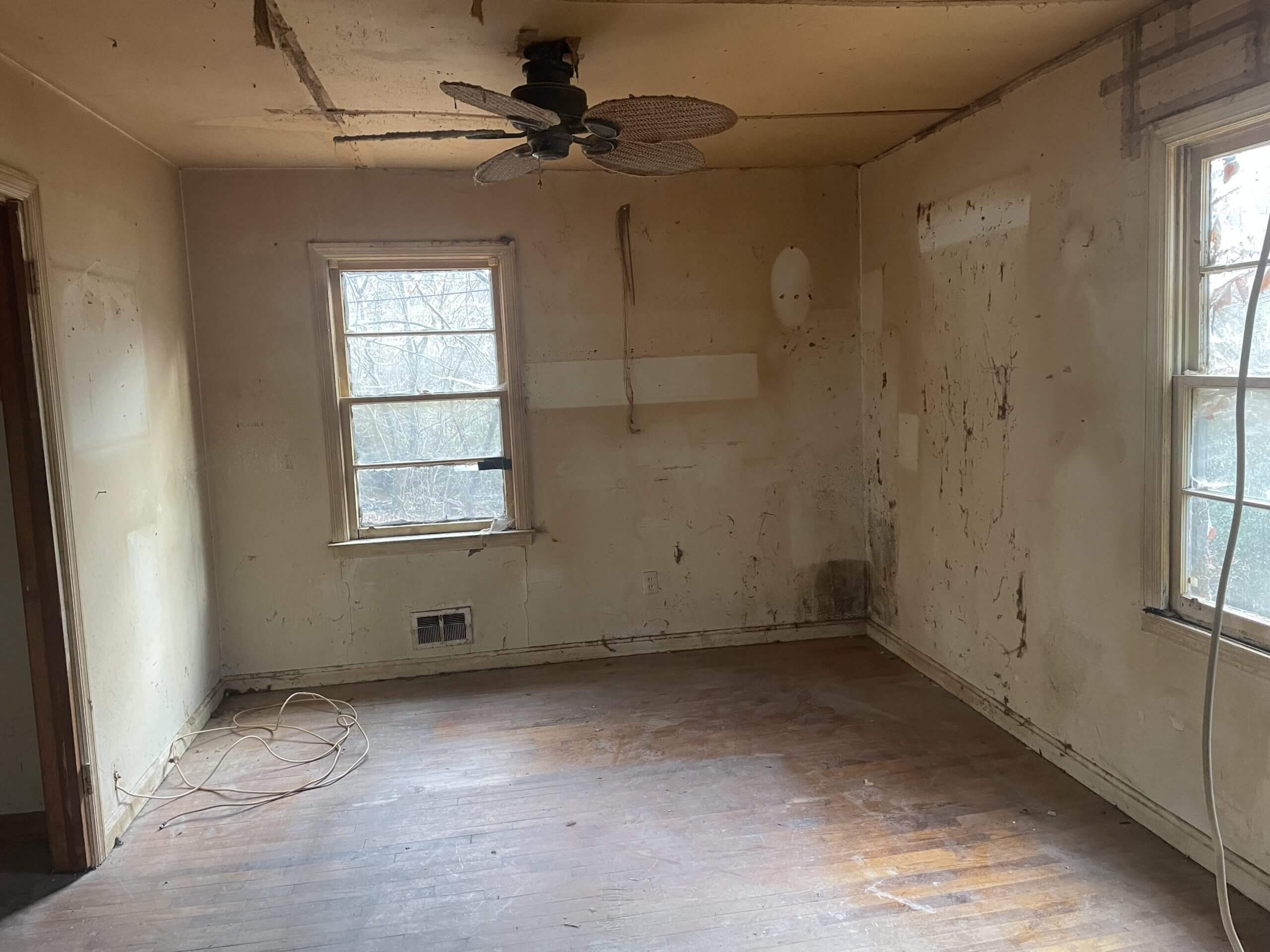
Water can weaken the structural components of a home surprisingly quickly. Drywall absorbs moisture and becomes soft and crumbly. Wood framing may warp, swell, or rot over time. Prolonged exposure can compromise subflooring, support beams, and even the foundation. In severe cases, especially after major flooding events such as those caused by hurricanes like Hurricane Katrina, entire structures can become unsafe to occupy and need a major remodel.
2. Mold and Mildew Growth
One of the most serious consequences of water damage is mold growth. Mold can begin forming within 24–48 hours in damp conditions. Once established, it spreads rapidly behind walls, under flooring, and inside HVAC systems. Mold not only damages materials but can also trigger respiratory issues, allergies, and other health problems—particularly in children, elderly individuals, and those with compromised immune systems.
3. Electrical Hazards
Water and electricity are a dangerous combination. When water seeps into outlets, wiring, or electrical panels, it creates the risk of short circuits, equipment damage, or even fire. After significant water exposure, a licensed electrician should inspect the system before power is restored.
4. Damage to Personal Belongings
Furniture, electronics, clothing, and sentimental items are often affected. Upholstered furniture and mattresses absorb water and may develop mold if not properly treated. Important documents and photographs can be permanently damaged without prompt drying and restoration.
5. Decreased Property Value
Even after repairs, a history of significant water damage can affect a home’s resale value. Lingering odors, visible stains, or undisclosed structural repairs may raise red flags for potential buyers.
How to Choose a Contractor for Water Damage Restoration
Selecting the right restoration contractor is critical to ensuring the problem is handled thoroughly and professionally.
1. Verify Certifications and Licensing
2. Check Experience and Specialization
3. Ask About the Process
4. Confirm Rapid Response Time
Time is critical. The longer water sits, the worse the damage becomes. Choose a general contractor that offers 24/7 emergency services and can respond quickly to minimize further deterioration.
5. Review References and Insurance Coordination
Read reviews, ask for references, and check ratings with local consumer organizations. A good contractor will also help coordinate with your homeowner’s insurance company, providing documentation and photos to support your claim.
Water damage can be overwhelming, but prompt action and the right professional support can significantly reduce long-term consequences. By understanding the risks and carefully selecting a qualified restoration contractor, homeowners can protect both their investment and their peace of mind.