

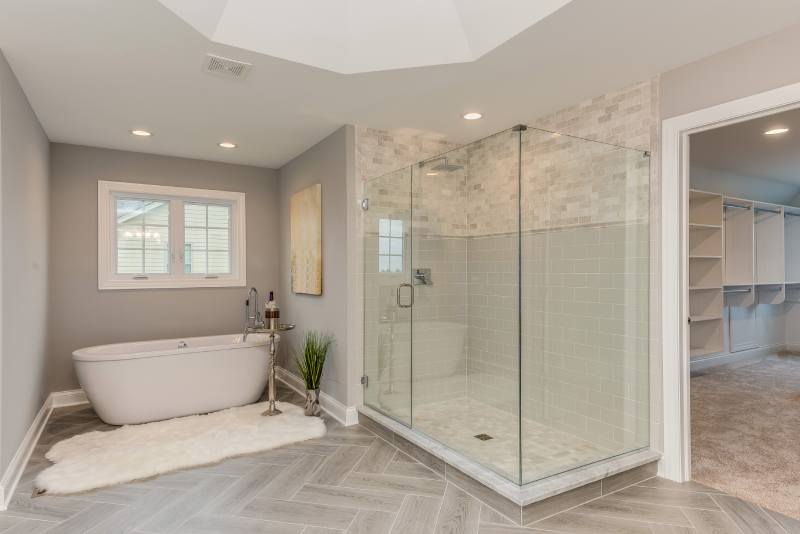
Steps to Add a Bathroom – Atlanta General Contracting
Adding a new bathroom is one of the most valuable home improvement projects a homeowner can undertake. Whether you’re converting unused space into a guest bath, creating a luxurious primary suite, or making your home more functional for a growing family, a bathroom addition requires much more than plumbing fixtures and tile. Successful residential remodeling in Atlanta involves careful planning, proper licensing, permits, inspections, and strict compliance with local building codes.
Working with experienced general contractors in Atlanta ensures every phase of the project is completed safely, legally, and efficiently while helping you avoid expensive delays or code violations.
The Importance of Hiring a Licensed General Contractor
Georgia requires contractors performing qualifying residential construction work to hold the appropriate state license. Depending on the scope of the project, this may include a Residential Basic Contractor or Residential Light Commercial Contractor license issued by the Georgia State Licensing Board for Residential and Commercial General Contractors. Licensed contractors have demonstrated the required experience, passed examinations, and meet continuing education requirements established by the state.
Beyond licensing, reputable contractors also maintain liability insurance and workers’ compensation coverage, protecting homeowners throughout the remodeling process.
When interviewing contractors, always ask for:
- State contractor license information
- Proof of insurance
- References from recent remodeling projects
- Written contracts detailing project scope and timeline
These qualifications are essential for successful Atlanta general contracting projects.
Planning Before Construction Begins
Adding a bathroom requires significantly more planning than simply installing new fixtures. Your contractor must determine whether the home’s existing plumbing, drainage, electrical service, and HVAC systems can support the additional space.
Planning often includes:
- Structural evaluation
- Plumbing layout
- Ventilation design
- Electrical circuit planning
- Water supply capacity
- Drain and sewer connections
- Moisture management and waterproofing
If walls are being removed or structural framing modified, engineering plans may also be required before permits can be issued.
Permits Required for a Bathroom Addition
One of the biggest mistakes homeowners make is assuming a bathroom addition is a simple remodel. In reality, adding an entirely new bathroom almost always requires permits.
Depending on the scope of work, permits may include:
- Building permit
- Plumbing permit
- Electrical permit
- Mechanical (HVAC) permit
In the City of Atlanta, many technical permits for plumbing, electrical, and HVAC work are administered through the local permitting system, and inspections are required before work can be completed.
Experienced general contractors in Atlanta coordinate permit applications, schedule inspections, and communicate with local building officials so homeowners don’t have to navigate the process themselves.
Building Codes That Must Be Followed
Bathroom additions involve several building codes designed to protect both safety and long-term performance. Georgia has adopted statewide minimum construction codes based on the International Residential Code, International Plumbing Code, National Electrical Code, International Mechanical Code, and other related standards with Georgia-specific amendments.
Some of the major code requirements include:
- Proper drain and vent sizing
- GFCI electrical protection
- Exhaust fan ventilation
- Waterproof shower construction
- Minimum ceiling heights
- Required fixture clearances
- Energy efficiency standards
- Proper framing for structural modifications
Code compliance is especially important because many requirements have changed over the years. Professional contractors stay current with code updates to ensure new work passes inspection.
Why Permits Protect Homeowners
Although some homeowners are tempted to skip permits in an effort to save time or money, doing so can create serious problems later. Unpermitted work may delay future home sales, complicate insurance claims, trigger costly corrective work, or result in fines if discovered during inspections. Proper permitting also provides independent inspections that help verify the work meets applicable safety standards.
Professional contractors understand that permits are an important investment in the long-term value of your home.
Choose Georgia In Home Services for Residential Remodeling in Atlanta
Adding a bathroom is a complex project that combines design, construction, plumbing, electrical work, ventilation, and code compliance. Choosing experienced professionals simplifies every step of the process while helping ensure your investment adds lasting value to your home.
Georgia In Home Services specializes in high-quality residential remodeling in Atlanta, offering comprehensive project management from initial planning through final inspection. Whether you’re building a guest bathroom, expanding a primary suite, or undertaking a complete home renovation, their experienced team provides dependable Atlanta general contracting services that prioritize craftsmanship, code compliance, and customer satisfaction. If you’re searching for trusted general contractors in Atlanta, Georgia In Home Services has the experience and expertise to turn your remodeling vision into reality.